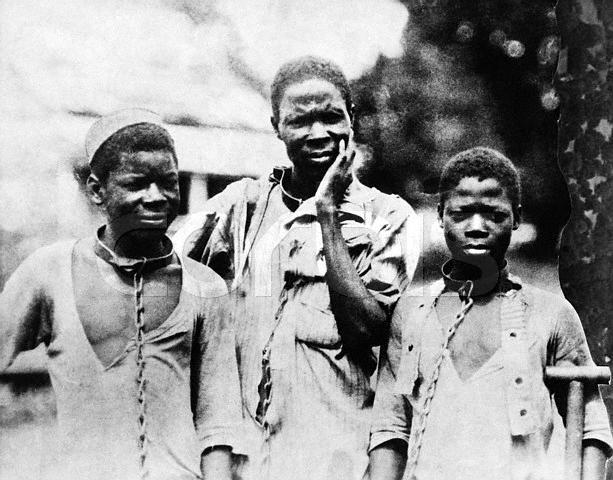
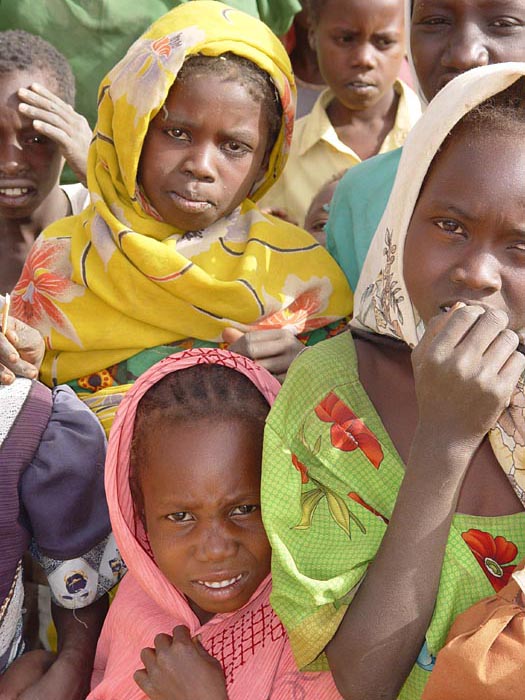
"In August 1996, Sutton’s bulldozers, backed by military police firing weapons, rolled across the goldfield, smashing down worker housing, crushing their mining equipment….About 50 miners were still in their mine shafts, buried alive."
—BBC Correspondent Greg Palast, Bush Family Fortunes
On the fourth anniversary of the president’s visit to Africa we thought it would be appropriate to take another look at that moment in time at the Bulyanhulu Gold Mine and compare it to the present in order to examine what, if anything has changed since then with regard to the developed world’s approach to globalization and the welfare of Africa’s "mineral poor."
 Mining has been a major source of income and development for much of Africa. At the same time mining projects are increasingly linked to serious environmental and social concerns. There is tremendous potential to harness Africa’s mineral resources as a means of developing the continent’s economy, yet there are notable differences in the efficacy of particular mining projects and regional development plans.
When President Bush made a one-week tour of the African continent in early July 2003 the U.S. public heard a lot about human suffering and conflict there. The tragic AIDS epidemic and the toll of bloody wars are critical issues that should be examined in depth. Yet, one key component seemed to be missing from the coverage: multinational corporate interests and their effects on people in African nations.
 On this edition of "Making Contact," we take a look at some examples: In Tanzania a Canadian-based corporation is accused of burying alive artisan miners in order to acquire control of a gold mine; and, the drive for oil has sparked political and social upheavals in Sudan and Angola.
Featuring::
Nyang Chol, a senior official with RAS, the humanitarian wing of the rebel SPDF faction in Sudan; Leslie Lefkow, a human rights specialist with Doctors Without Borders; Sam Ibok, director of political Affairs with the African Union; Phillipe Gaspar, a 13-year-old Angolan refugee; Chantal Uwimana, Africa programme officer for Transparency International; Gregor Binkert, resident country representative for the World Bank in Chad; Ongar Lassie Yorongar, a leading political figure in Chad; Tundu Lissu, a Tanzanian human rights attorney; and investigative journalist Greg Palast, author of The Best Democracy Money Can Buy.
For more information::
Transparency International
+49 30 343820 0
Lawyers’ Environmental Action Team
+255-22-2780859
Greg Palast, BBC reporter and author of Armed Madhouse and The Best Democracy Money Can Buy; http://www.gregpalast.com/
Sutton, acquisition of Barrick Gold Corporation, Canada
- Follow us on Twitter: @inthefray
- Comment on stories or like us on Facebook
- Subscribe to our free email newsletter
- Send us your writing, photography, or artwork
- Republish our Creative Commons-licensed content
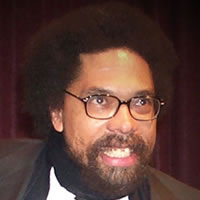
 Leftist movements around the world are facing new problems and possibilities. Each spring in New York City, organizers and intellectuals gather at what has become known as the Left Forum. They discuss, debate, and develop new visions and strategies. On this edition, we hear selections from the opening panel of the Left Forum, recorded March 9, 2007.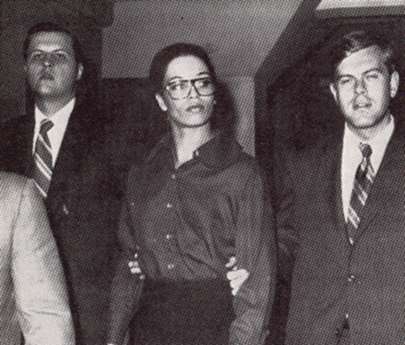



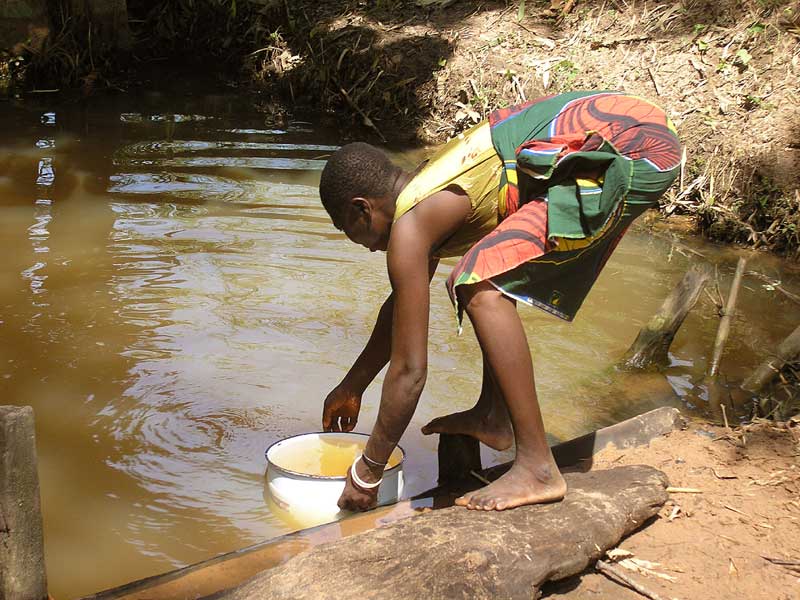

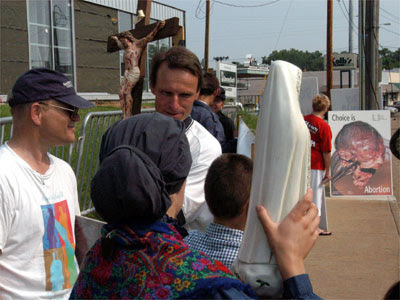


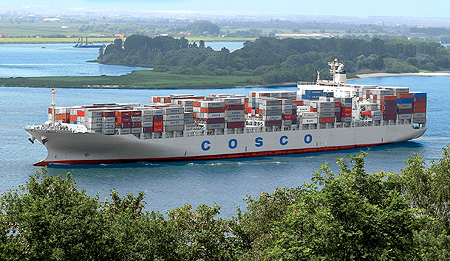
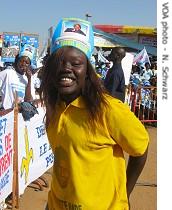
 The president's final campaign rally was held Friday in Dakar, the Senegalese capitol. Cheered by hundreds of youthful supporters, Wade told the crowd that he would bring jobs to the country’s youth, those who are desperate for a chance to leave the country. Many young men and women attempt to illegally emigrate to Europe in hopes of finding employment.
 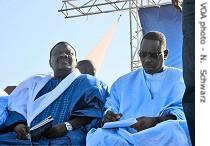 Cheikh Bethio Thioune, a Mouride leader who, at Friday's rally, sat on center stage with Mr. Wade. Thioune denied any involvement in the violence at the Seck rally, while at the same time acknowledging that he favors Wade’s candidacy.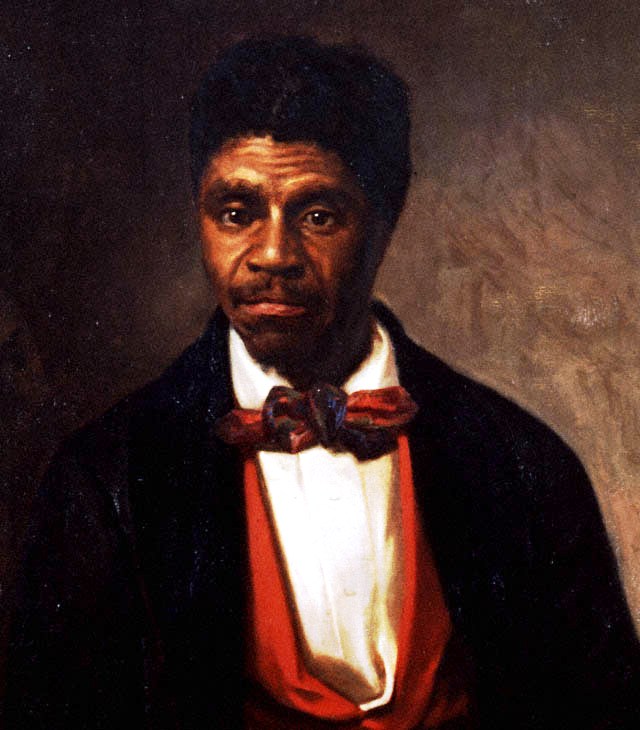
 The Scotts, after all, had been the property of white America their entire lives. Moved from one state to another by their owner, Dr. John Emerson – a military physician – the Scotts lived for many years in Illinois and Wisconsin, two states where slavery was not institutionalized.